

I visit online casinos in Australia, and I got tired of wondering how much I was actually gaming, and laying out vegas-hero-casino.com. So, for three whole months, I logged every single time I entered Vegas Hero Casino. I jotted down my deposits, what games I chose, when I cashed out, when I lost, and how long I stayed. I sought hard numbers, not just a sense in my gut. What I uncovered changed how I game. This is my analysis of that data, from one Aussie player to another.
I understood I must be disciplined, or the entire effort would be useless. Right after I stopped playing at Vegas Hero, before I did anything else, I opened a spreadsheet. I recorded the date and time, how many minutes I played, and the exact games I used. I recorded my starting balance, what I deposited, and my balance when I finished. I also noted any bonus I used and a brief note on my mood—was I thinking clearly, or just playing mindlessly? This routine yielded ninety-two sessions of solid data. Recording it promptly was key. If I waited, notably after a bad loss, I knew I’d be dishonest with myself.
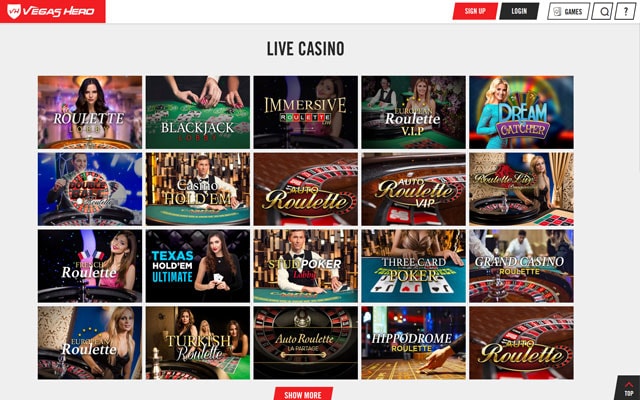
My game choices painted a clear picture, and it wasn’t the one I anticipated. Online pokies ate up most of my time. They made up about sixty-five percent of all my sessions. I kept playing Big Bass Bonanza and Fire Joker. Live dealer games, mostly blackjack and roulette, took up another twenty-five percent, usually during my longer night-time plays. The last ten percent went to video poker and the odd shot on a progressive jackpot slot. Here’s the kicker: the game I devoted the most time to wasn’t my best performer. My steadiest results were from the live blackjack tables, where I could employ a bit of basic strategy. That mismatch got me thinking about where I should really be focusing my time and money.
During those three months, I made twenty-eight separate deposits into my Vegas Hero account. On average, I added fifty bucks, but it varied from a quick twenty-dollar top-up to a couple of hundred-dollar sessions on a weekend. I took care to use the welcome bonus and any reload offers I got. Those bonuses gave me more to play with, sure, but tracking them revealed how the wagering requirements guided me toward certain games so I could clear them. The real moment of truth occurred when I totaled all my deposits into one total. Seeing that number, a figure my monthly bank statements had hidden, was a wake-up call. That clarity alone made the entire tracking project worthwhile.
Looking at the session results showed me about cold, hard fluctuation. Of ninety-two sessions, forty-two ended in a loss. Thirty-five finished with a win. The other fifteen were basically even, within a fiver of where I began. My best single session earned me four hundred and eighty dollars. My worst one cost me two hundred and twenty. The data made it plain: winning sessions occurred regularly, but the wins tended to be smaller than the losses. One pattern jumped off the page. Any session that dragged on past ninety minutes was far more likely to finish poorly. That right there was the best evidence I’ve ever seen for implementing a strict timer.
When I layered in the time of day, additional patterns appeared. My most profitable sessions, on balance, were weekday nights between 7 and 10 PM. My weekend afternoon plays were a catastrophe—I deposited more often and played faster. But session length was the king of all metrics. If I kept it under forty-five minutes, my win-loss ratio was almost even. But once I crossed the ninety-minute line, typically because I was chasing a loss or just mindlessly spinning, I almost always walked away poorer. This finding was so stark I now use a kitchen timer. It’s a incredibly simple trick, but it has done more for my discipline than any other tactic.
I wanted to examine my own withdrawal habits, so I tracked those too. I took out eight separate times in the three months. The data showed I tended to withdraw rapidly after a decent win, a mental trick to “lock in” the profit. But I also identified a bad habit: I’d sometimes re-deposit part of that withdrawn money a few days later, which undermined the whole point. At the end of the tracking period, my net position was a loss of about three hundred and fifty dollars. That’s a negative number, obviously. But viewing it as an leisure cost over a quarter of a year appeared more accurate than my previous imprecise arithmetic. It hammered home that anticipating to be always ahead is a fantasy.
The numbers showed me the what, but my notes revealed the why. I recognized my own emotional triggers in writing. A rapid string of losses would leave me frustrated, resulting in an angry, impulsive deposit. A nice win would leave me giddy, tempting me to “keep the streak alive” long past my planned stop time. Playing when I was tired or watching TV meant I had faster, dumber decisions, especially at the live tables. The simple act of filling in the spreadsheet after a session became a buffer, a forced moment to breathe and reflect before I did anything else. That self-awareness is the biggest thing I’m taking away. Now I can sometimes spot the emotional spiral as it starts and just walk away.
After living with this data for three months, here’s my plain advice for fellow Australians. Give tracking a go, even for a couple of weeks. You will find out something about yourself. Set clear restrictions for time and loss before you even open the casino app—and use a physical timer to adhere to them. Bonuses are useful, but know how their rules will steer your play. Align your bankroll to the game; don’t squander your strategic blackjack stake on volatile pokies. Most importantly, view the money you spend as the cost of a night out. Vegas Hero Casino has great games and it’s fun, but without this kind of controlled, eyes-wide-open approach, the fun doesn’t last. The data helps you stay truthful.
It moved me from playing on impulse to playing with a plan. Observing in black and white that longer sessions meant bigger losses forced me to use a timer. Knowing my total spend helped me regard it as a leisure budget, not a side hustle. My expectations are now realistic, which makes the whole experience less stressful.
The brutal effect of session length surprised me. For me, sessions over 90 minutes ended in a loss about eighty percent of the time. Sessions under 45 minutes were nearly break-even. I never understood how much fatigue and lost focus ate into my bankroll. Controlling my time became my most powerful tool.
A data-driven method assists you to manage your money and make smarter choices. It does not remove the house edge. My log shows plenty of winning sessions, but after three months, I was still down. The aim is to get more entertainment for your dollar and cut out stupid losses, not to chase a profit that isn’t there.
Without a doubt. Give it a go for a month. An objective log eliminates all the stories you tell yourself. It reveals to you your own dangerous patterns—which game empties your wallet, what time of day you make bad decisions. It’s the best thing you can do to take control of your play on any Australian casino site.

انطلقت شركة الأرجوان للمقاولات لتقديم خدماتها في كافة مناطق البحرين على أكمل وجه.
جميع الحقوق محفوظة لدى شركة الأرجوان للمقاولات ذ.م.م
تصميم وتطوير التفاصيل للتكنولوجيا